
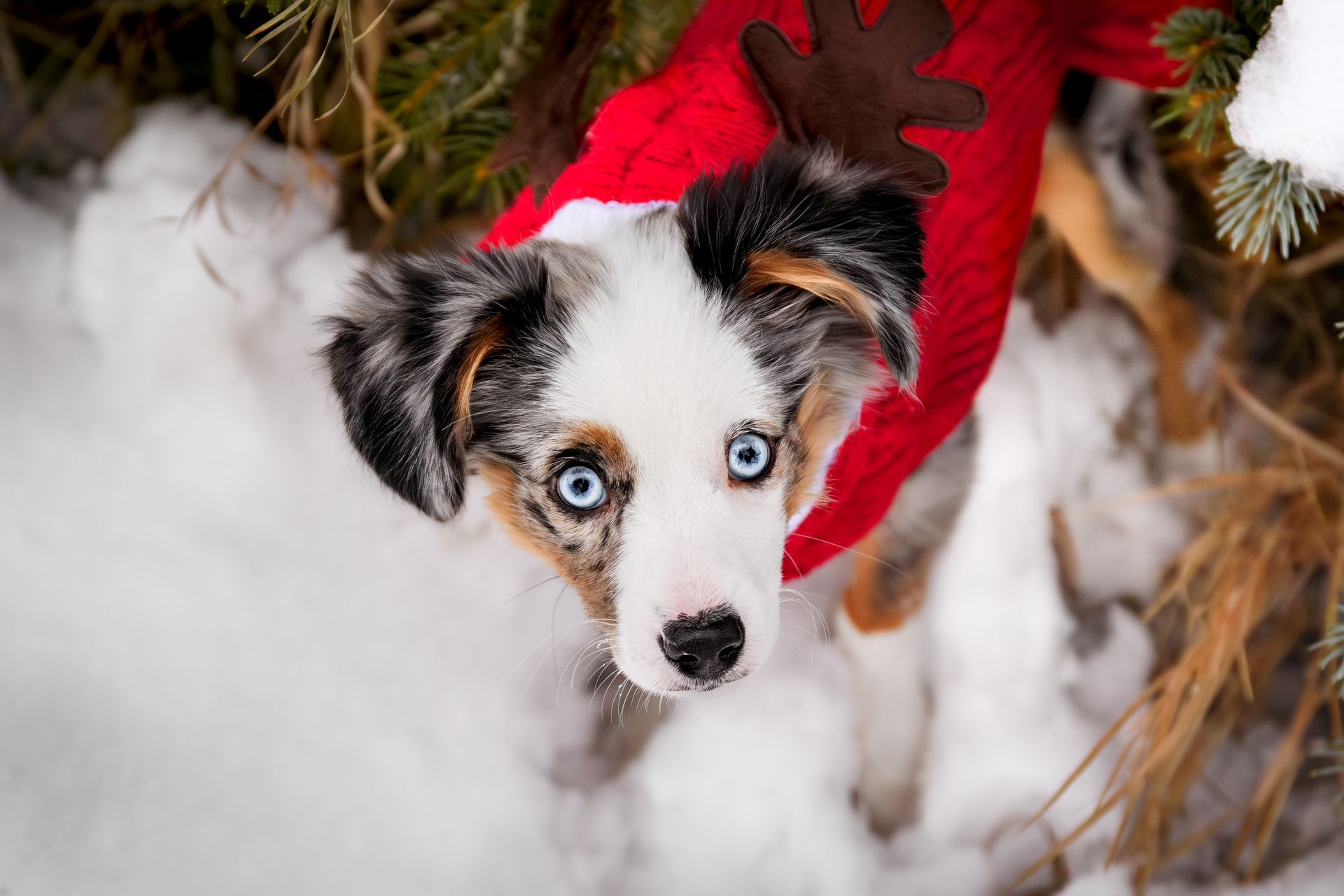
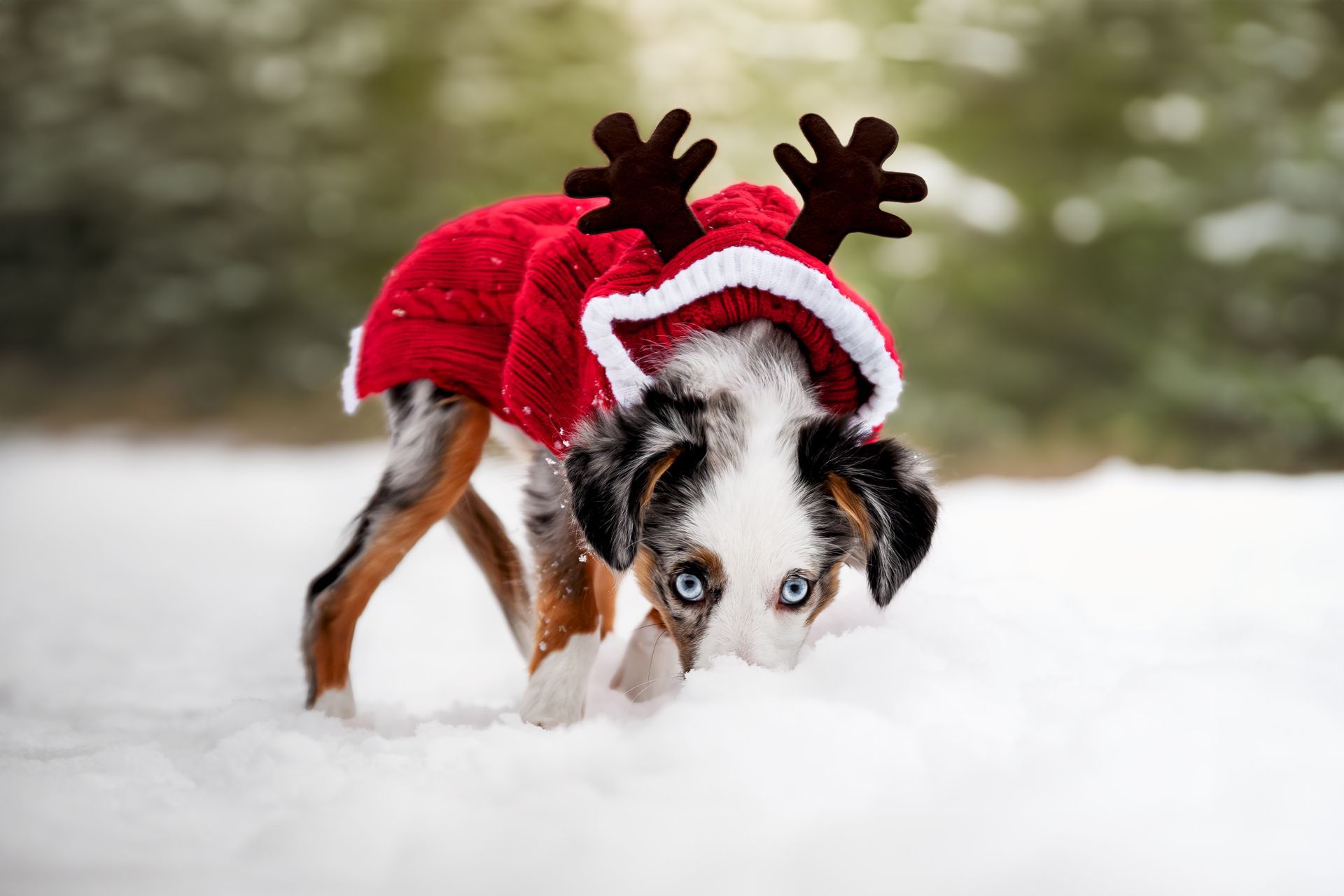
If your winter photos come home with blue snow and grey slush, your white balance is lying to you. Snow is one of the hardest things to edit well, because it reflects everything around it, and your camera guesses wrong more often than it guesses right. Here's how I keep my snow white.
Discover the best gifts for dog parents in Calgary! From thoughtful finds to unique gifts for their furbabies, explore this Calgary dog lover’s gift guide.
What happens when Calgary weather doesn't cooperate with your dog photography session? Learn how we handle winter weather, snow, and changing conditions to capture beautiful dog photos.
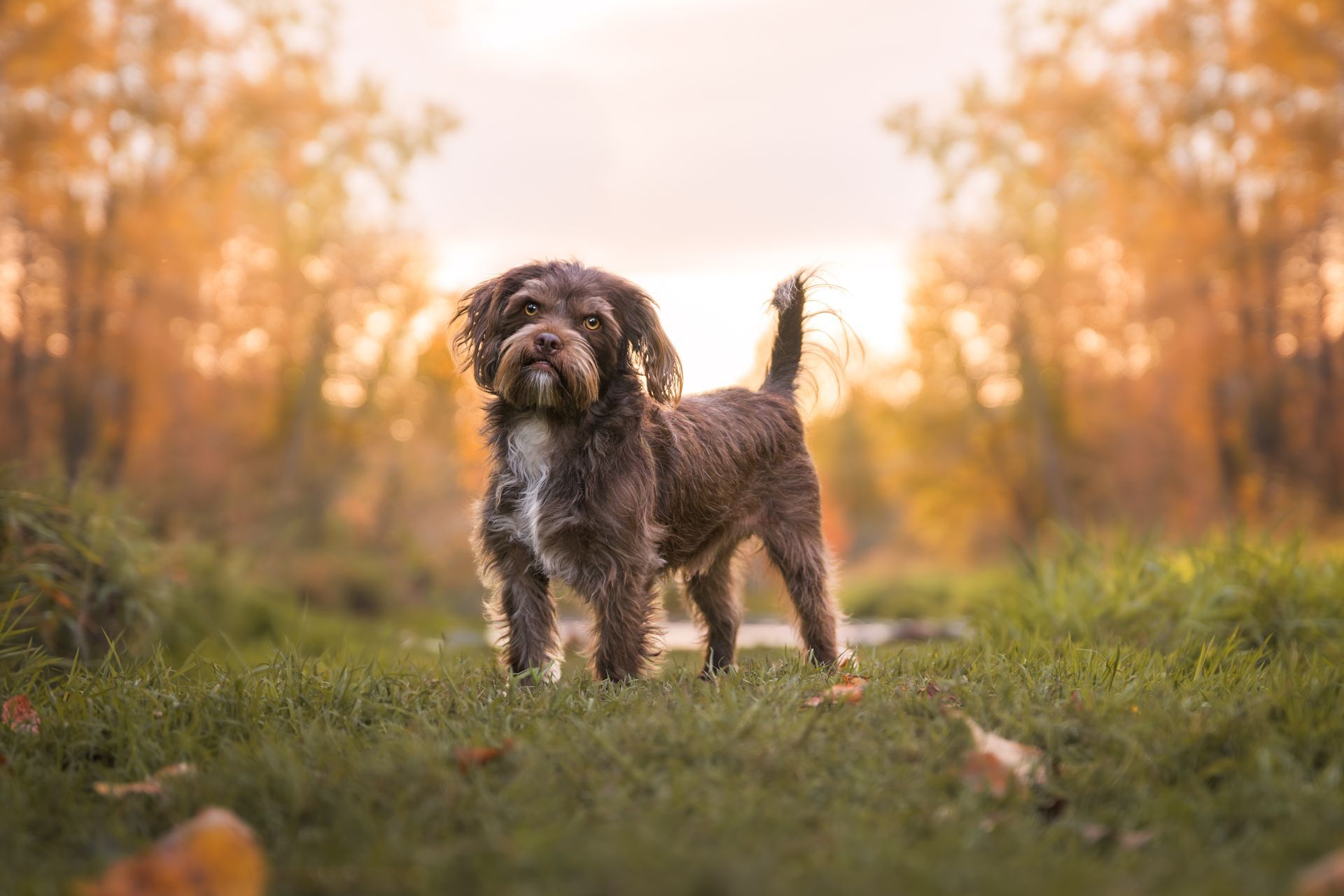
Discover why I don't force dogs to wear costumes during Halloween photoshoots. Every dog deserves a stress-free experience that celebrates their unique personality, comfort, and individuality.
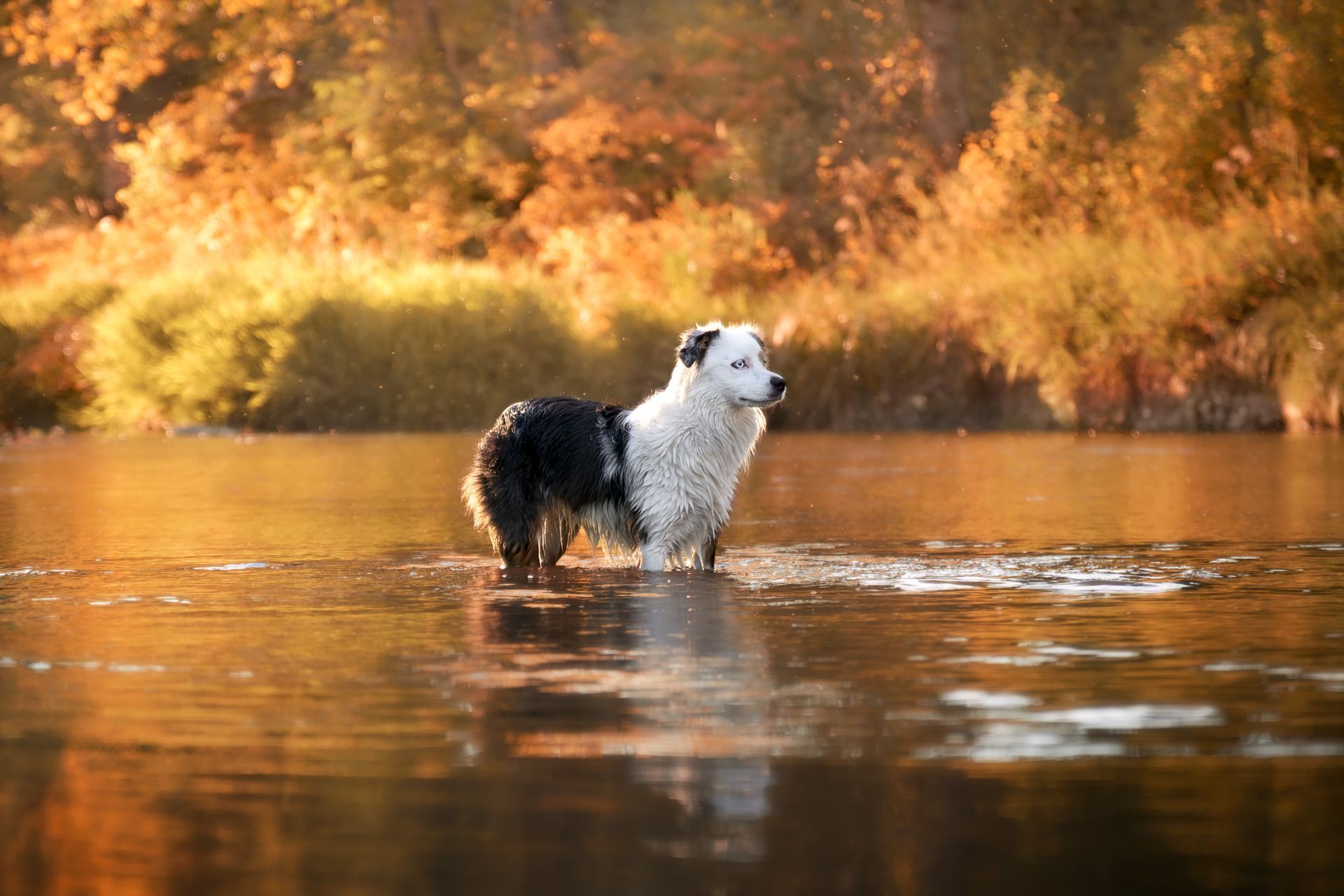
Discover the artistry behind professional dog photography, from thoughtful composition and lighting to leash removal, detailed retouching, and multi-dog portrait editing in Calgary.
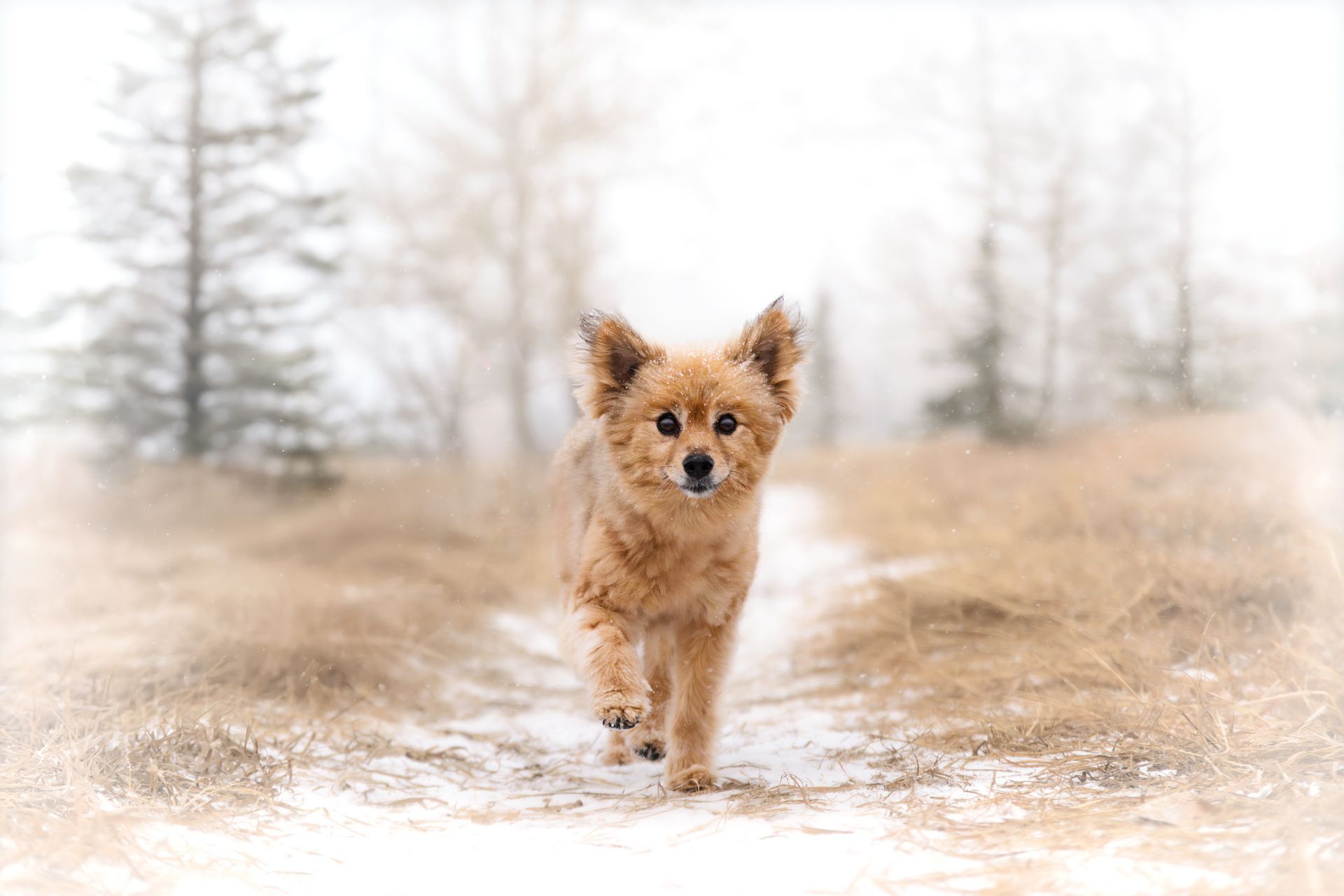
Learn when to book winter dog photos in Calgary, from snowy conditions to the best timing for a beautiful winter session.
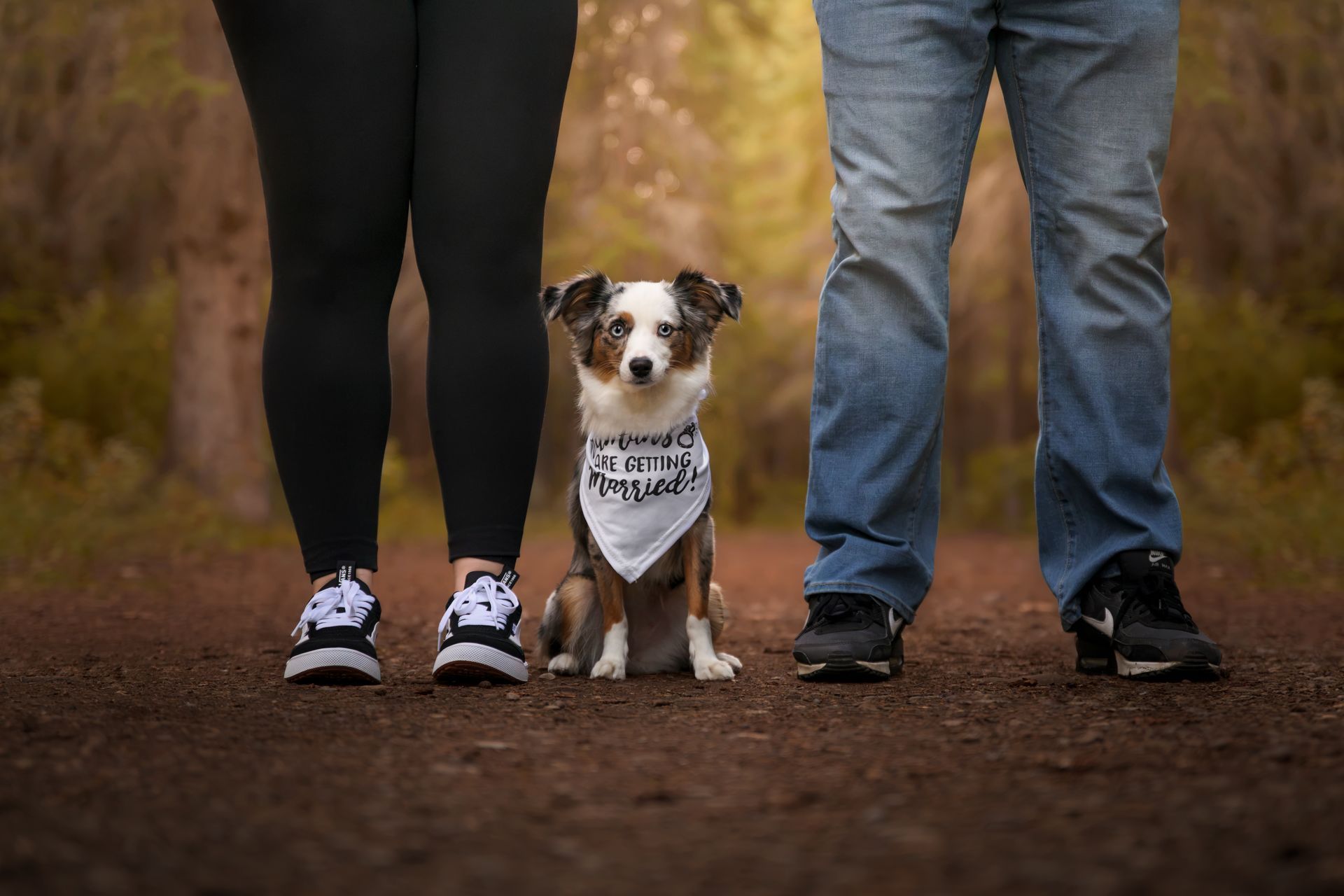
When you think about a professional dog photography session, you probably picture the part where I show up with my camera and start taking photos of your dog....but that is actually only a tiny part of the process. There is a lot that happens before I ever press the shutter button. From watching the weather to checking golden hour times to learning about your dog’s personality, I put a lot of thought into what will make the session not only look beautiful, but feel good for your dog, too.
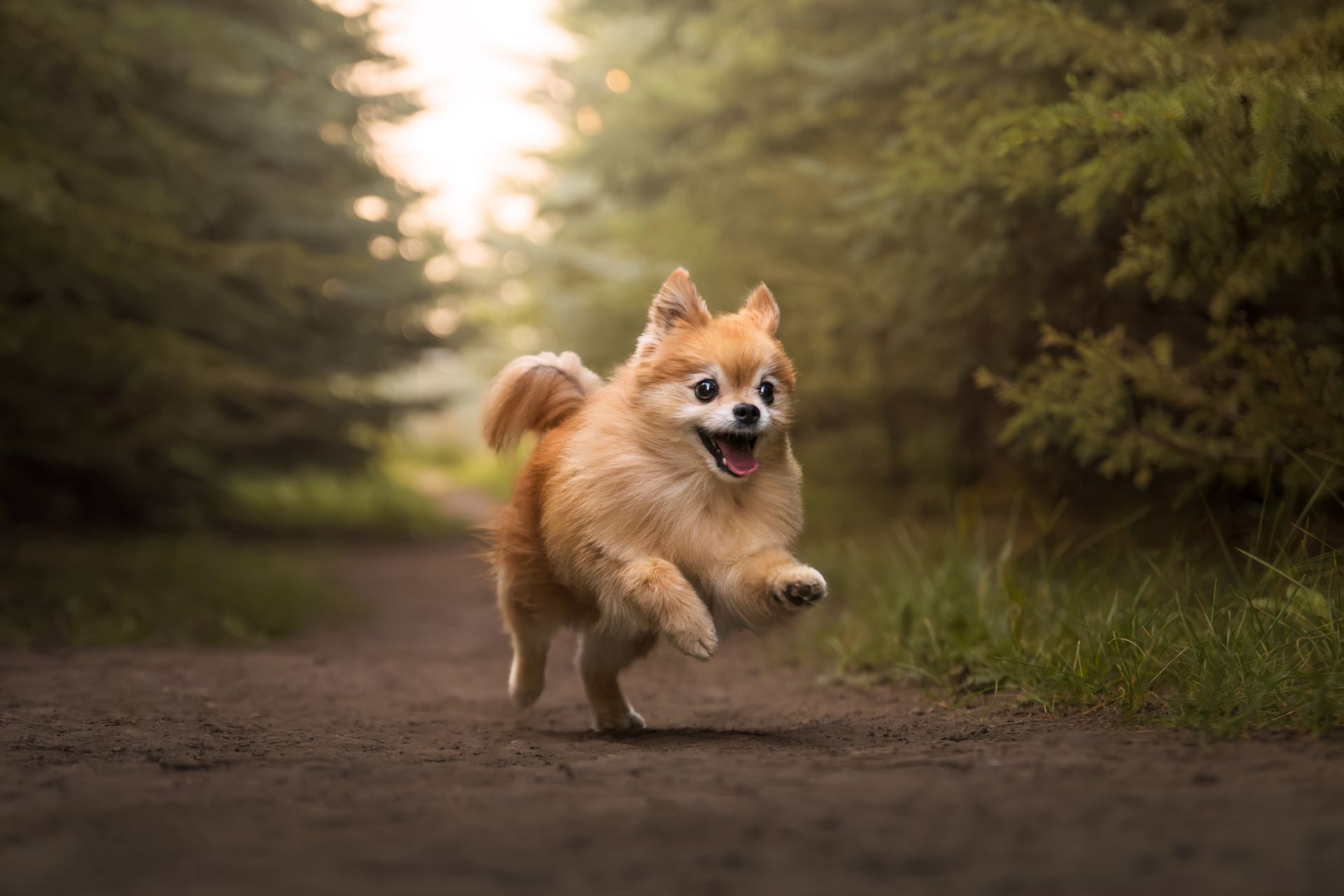
When I'm photographing a dog, I'm paying attention to much more than whether they're looking at my camera. Throughout a session, I'm constantly watching their body language. It gives me little clues about how they're feeling, what has caught their attention, what they're comfortable with, and when I need to change my approach. Every dog communicates differently, and learning to recognize those small changes helps me create a session that works with the dog rather than against them.
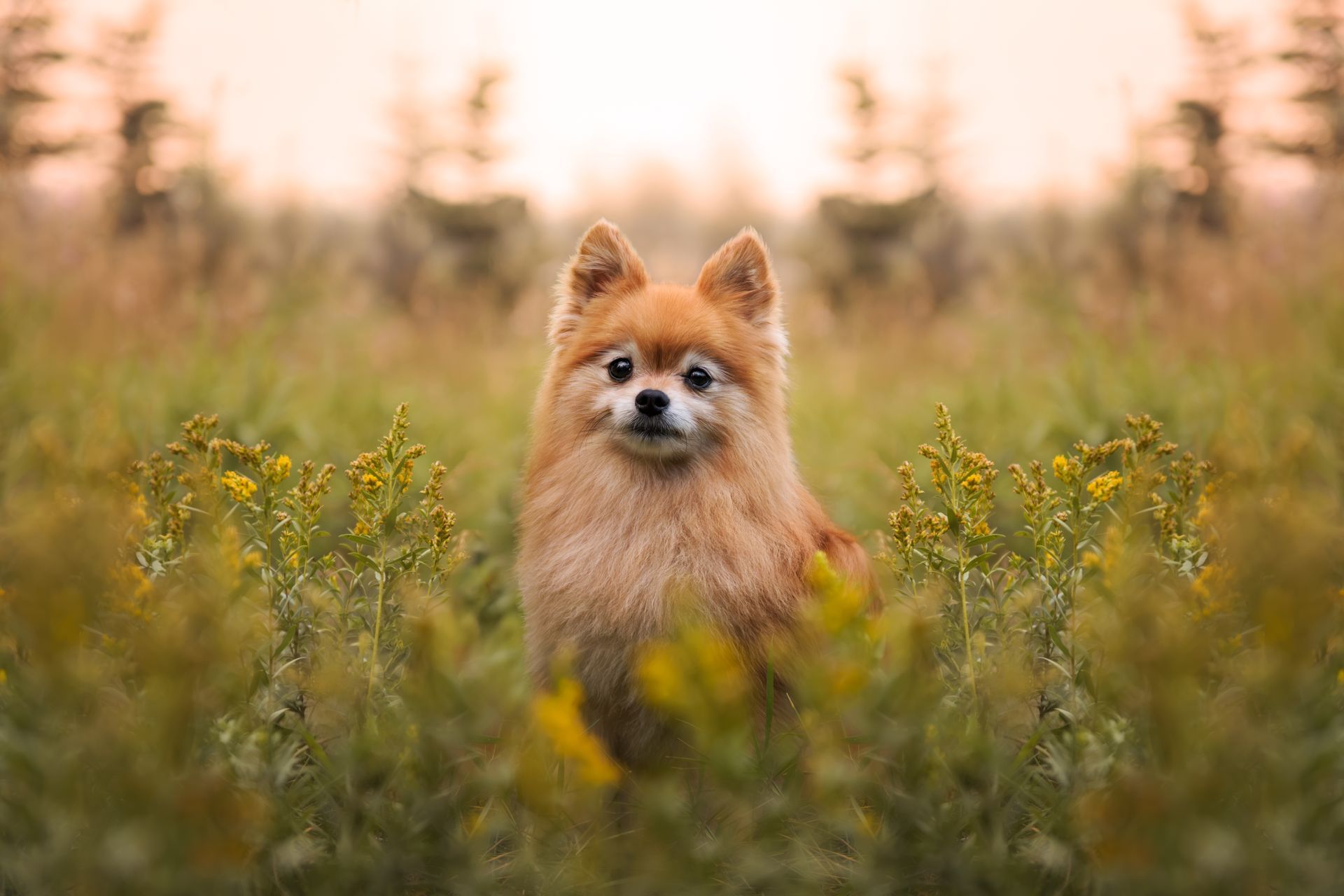
When you’re getting into photography, it’s easy to think that better gear automatically means better photographs. A newer camera, a sharper lens, faster autofocus. While good equipment definitely has its advantages, dog photography has taught me that your camera can only do so much. You can have an expensive camera and lens, but if you don't know how to work with the dog in front of you, the gear isn't going to magically create the photograph.
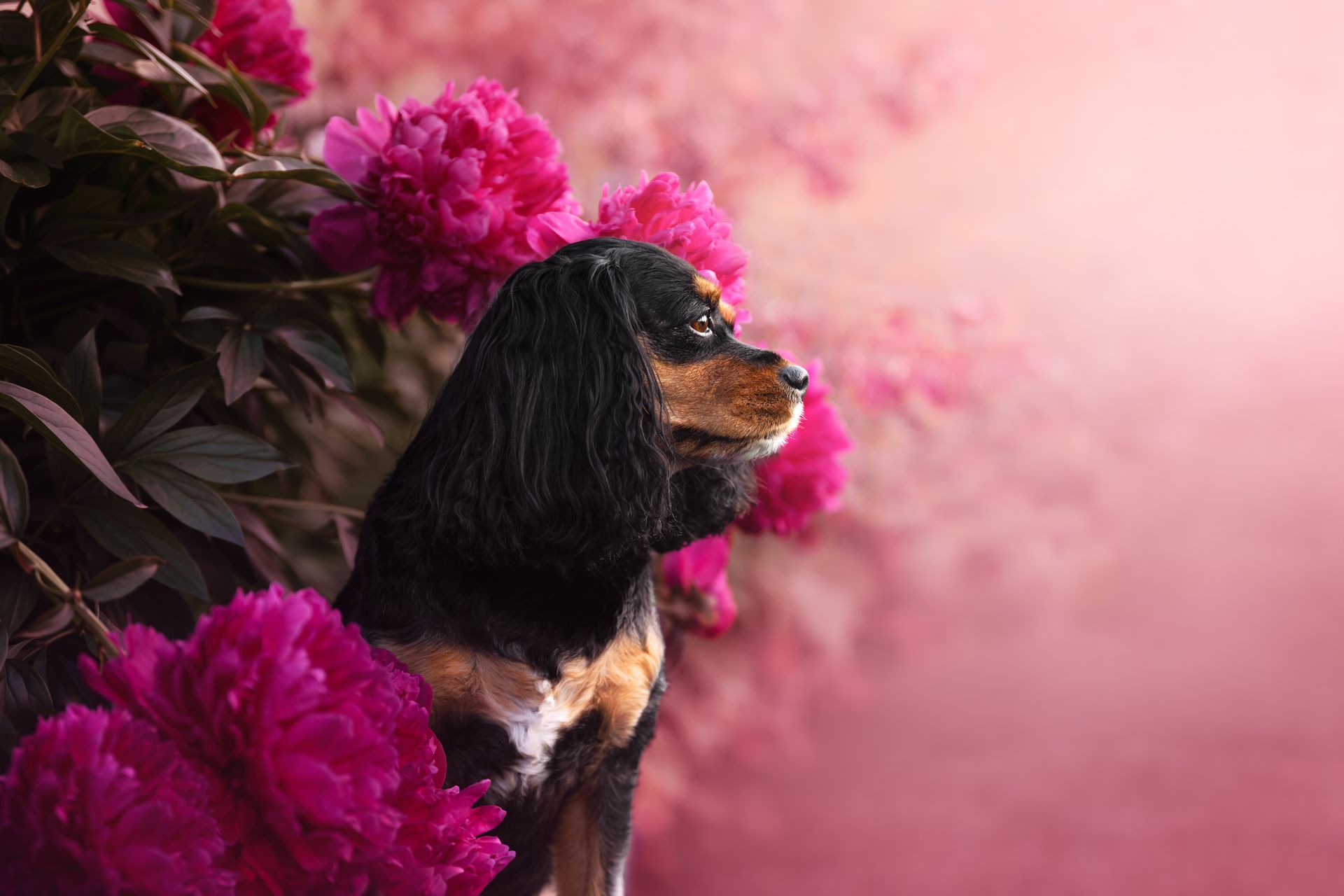
Have you ever wondered what actually happens to your photos after your dog’s photography session is over? You’ve spent an hour running around with your dog, laughing at their silly expressions, trying to get their attention, and capturing all those little moments. Then the session ends and I head home with hundreds(sometimes thousands) of images. But that’s only the beginning. There’s a lot that happens behind the scenes before you receive your final gallery.
