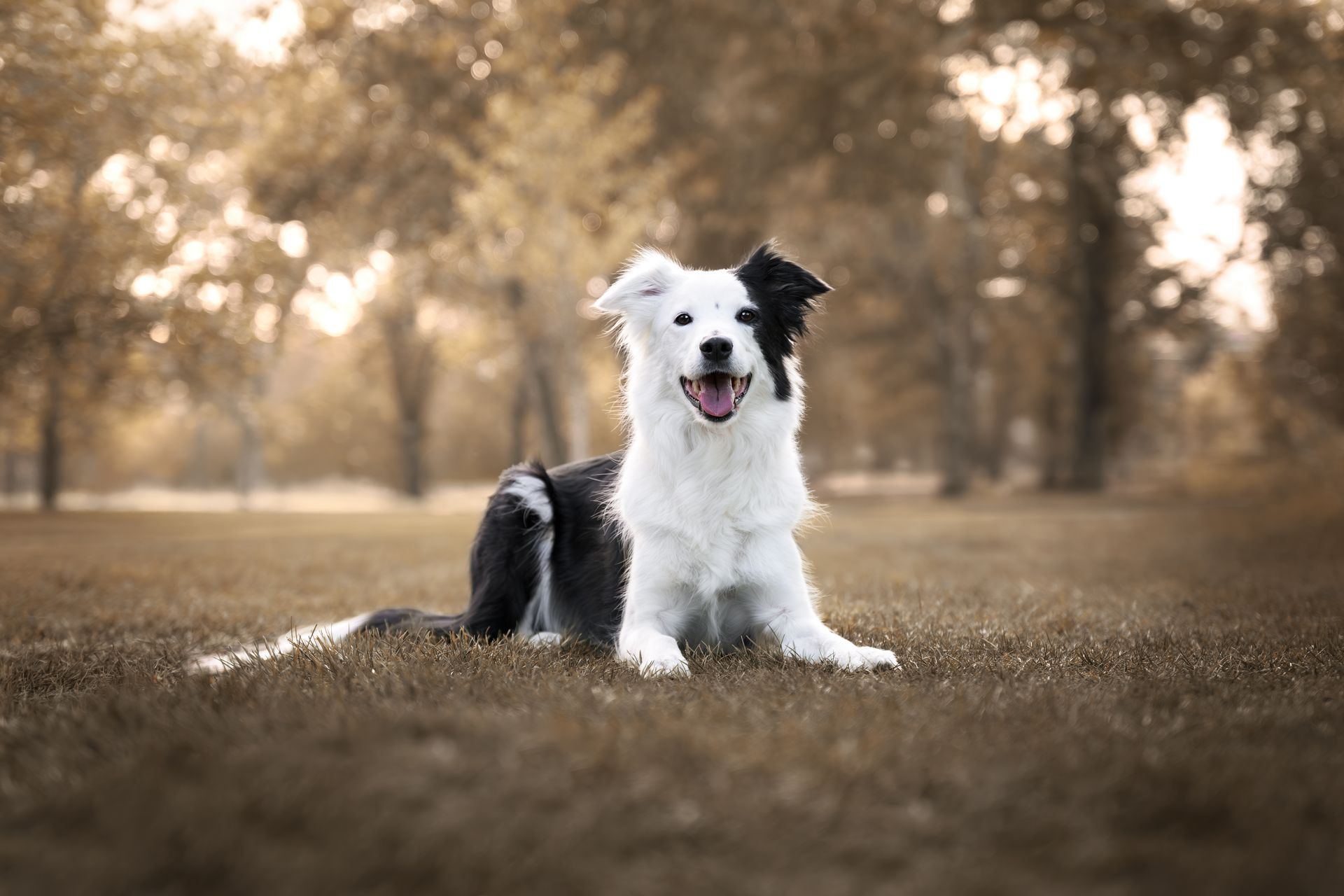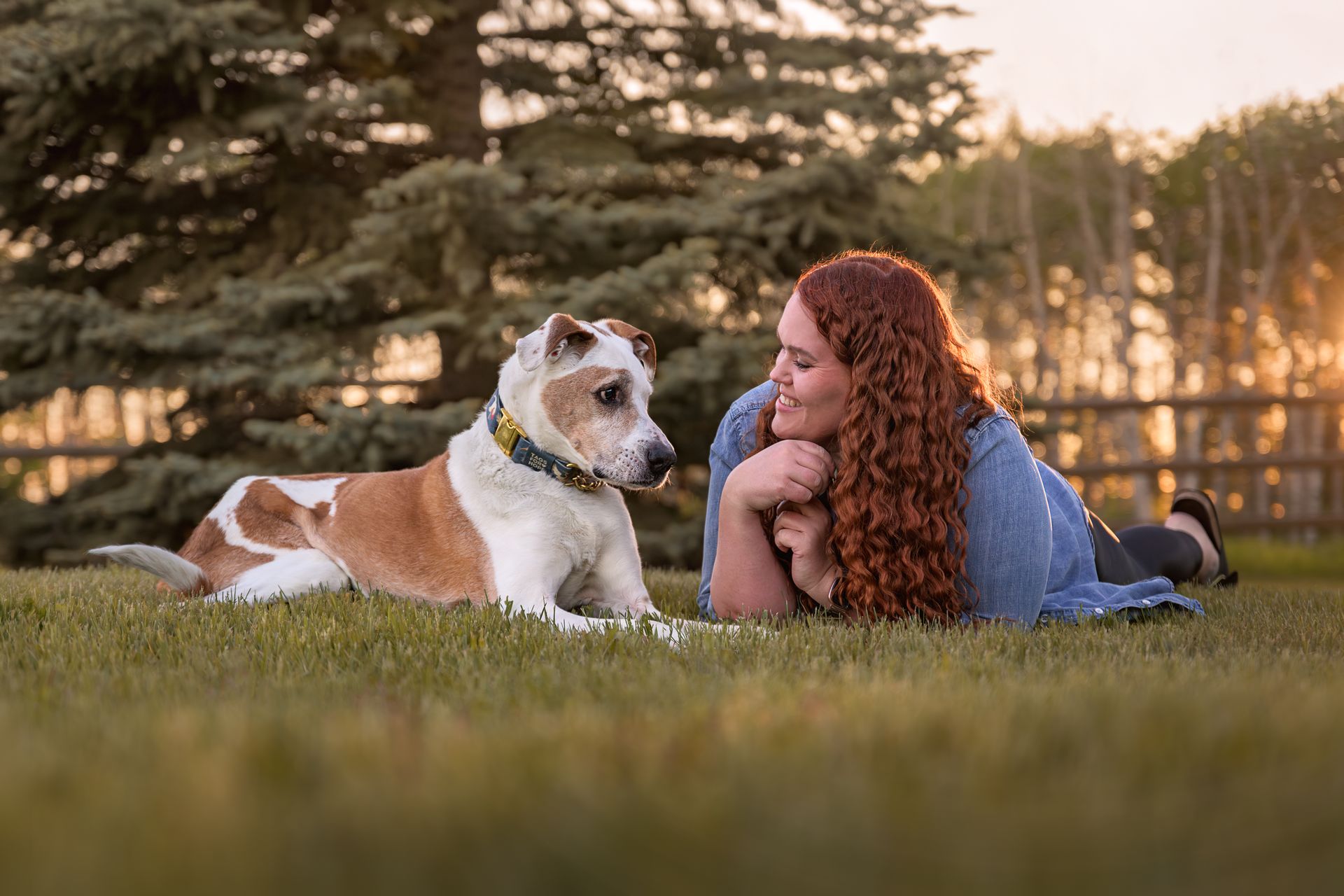
Why Black Dogs Are Hard to Photograph (And How I Make Them Shine)
Black dogs are stunning in person. Their coats can be glossy, rich, and full of texture. When it comes to photos, many owners notice something frustrating… their dog can end up looking like a dark blur with no detail.
If you’ve ever taken a photo of your black dog and thought, “Why can’t I see their face?” you’re definitely not alone.
Here’s why black dogs are harder to photograph and how I bring out all their beautiful details.
1. Cameras Struggle With Dark Fur
Most cameras try to balance light automatically. When photographing a black dog, the camera often underexposes the image to compensate for the dark tones.
The result?
Your dog can end up looking like a silhouette rather than showing all the detail in their fur.
When I photograph black dogs, I adjust my camera settings and lighting carefully so their fur keeps its rich colour and texture without losing important details.
2. Lighting Makes a Huge Difference
Lighting is everything when photographing darker coats.
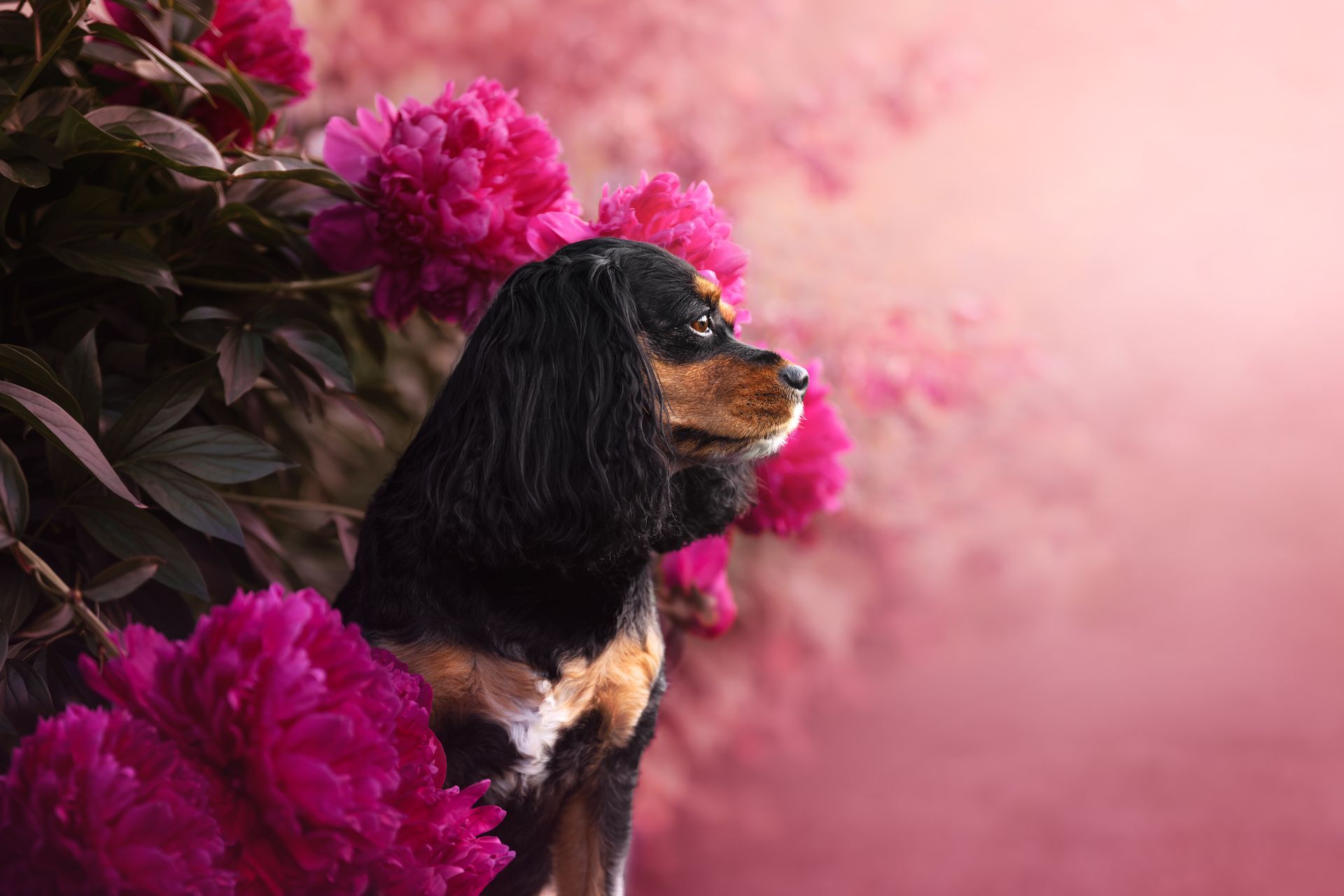
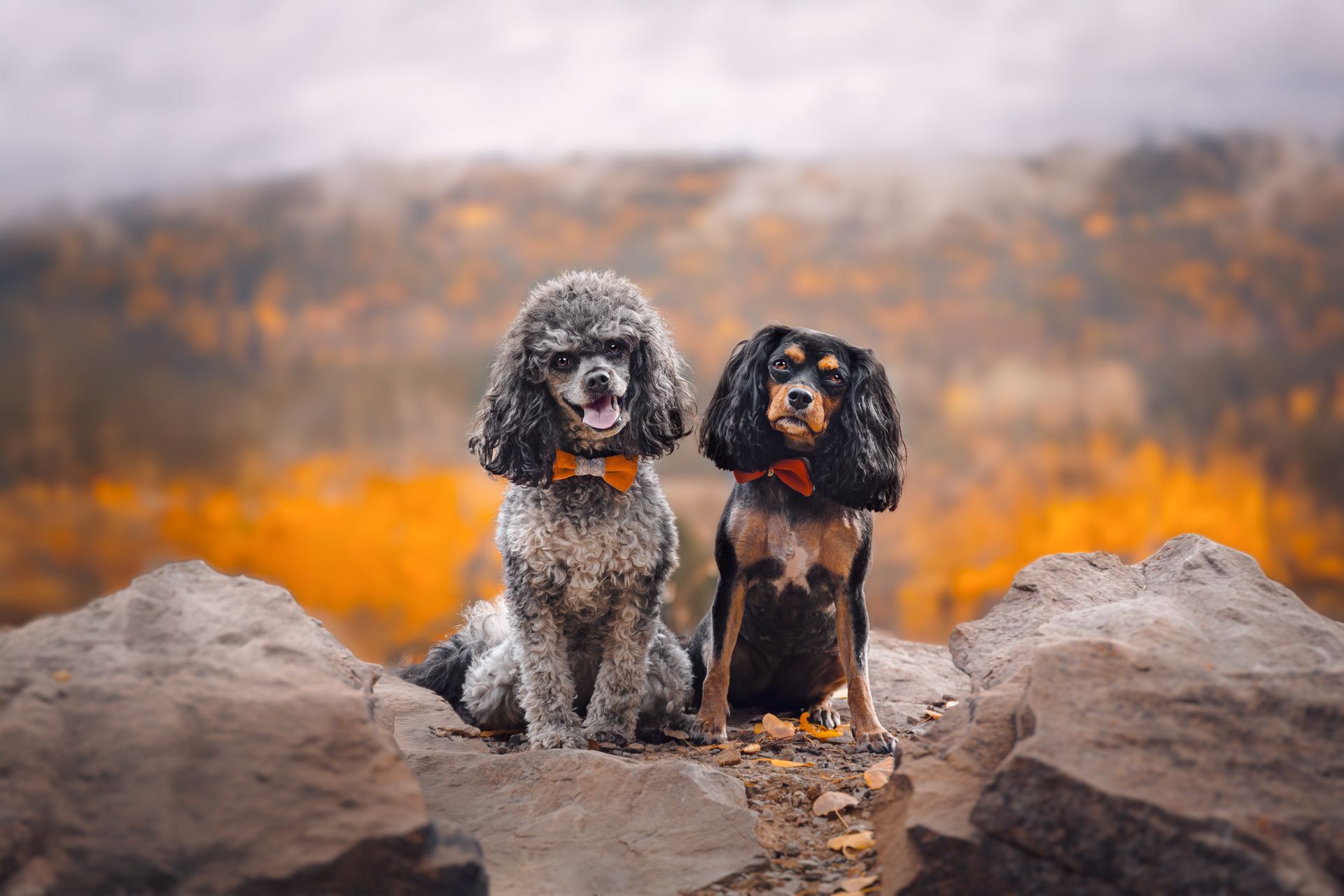
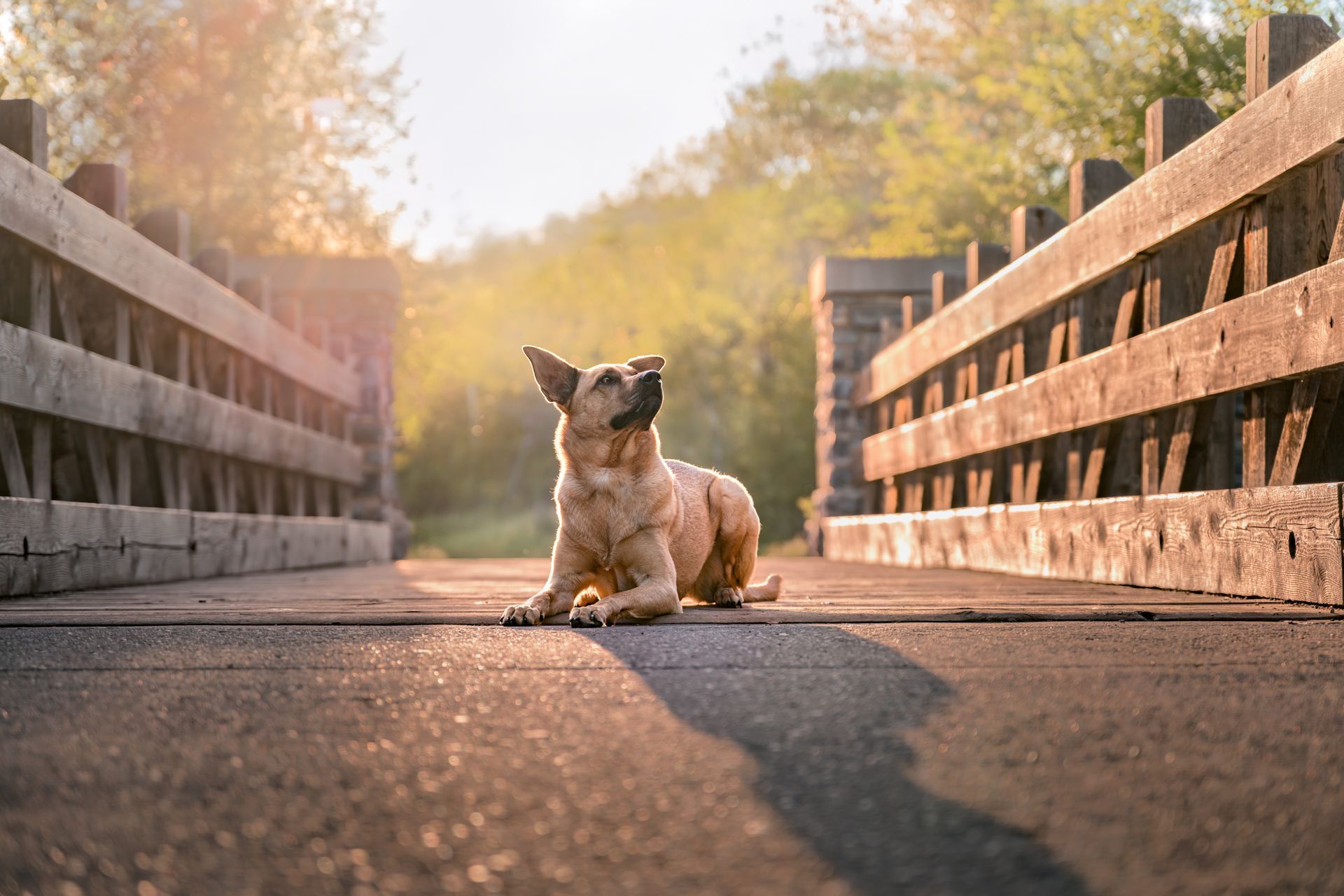
Flat lighting can cause black fur to lose dimension, making the dog look like one solid shape. Proper lighting, on the other hand, creates subtle highlights that reveal texture and depth in the coat.
When I photograph dogs with darker fur, I’m always paying close attention to how the light hits their coat so it brings out those natural highlights and keeps the fur looking glossy and detailed.
3. Background Choice Matters More Than You Think
A dark dog against a dark background can easily blend together.
That’s why choosing the right background is key. The goal is to create enough contrast so the dog stands out without overpowering them.
Whether we’re outdoors or creating a clean studio-style look indoors, the background plays a big role in helping define your dog’s shape and highlighting their expression.
4. Bringing Out the Eyes and Expression
One of the most important parts of any dog portrait is the eyes.
With darker coats, the eyes can sometimes get lost in shadows if the lighting isn’t right. I pay close attention to angles and positioning so the light catches your dog’s eyes naturally.
Those small reflections in the eyes are what give photos personality and life.
5. Editing Helps Reveal the Details
Even with great lighting and camera settings, editing plays an important role.
When I edit my images, I focus on enhancing the natural texture in the fur, balancing the exposure, and making sure your dog’s features are clear.
The goal isn’t to change the dog...it’s to make sure every detail that makes them special is visible.
Every Dog Deserves to Shine in Photos
Black dogs are incredibly photogenic when photographed properly. With the right lighting, background, and editing, their coats can look rich, detailed, and absolutely stunning.
Instead of disappearing into the shadows, they become the star of the photo.