Why Dog Photography Is About More Than Having a Fancy Camera
When you’re getting into photography, it’s easy to think that better gear automatically means better photographs. A newer camera, a sharper lens, faster autofocus. While good equipment definitely has its advantages, dog photography has taught me that your camera can only do so much.
You can have an expensive camera and lens, but if you don't know how to work with the dog in front of you, the gear isn't going to magically create the photograph.
Understanding the Dog Matters
Every dog is different. Some are confident and curious, some are shy, and some are easily distracted, while others are ready to go from the second they arrive.
Learning to recognize those differences is a huge part of dog photography. You have to pay attention to their body language and energy and be willing to adjust your approach. What works for one dog might not work for another. Your camera can't tell you that. Experience does.
Timing Is Everything
Dogs can change what they're doing in a split second. One moment they're looking directly at you, and the next they're sniffing the grass or running off to investigate something.
Being able to anticipate those moments is a skill that comes with time. It's not always about having the fastest autofocus or the newest camera. It's about learning to watch the dog and recognize when something interesting is about to happen.
Light and Composition Still Matter
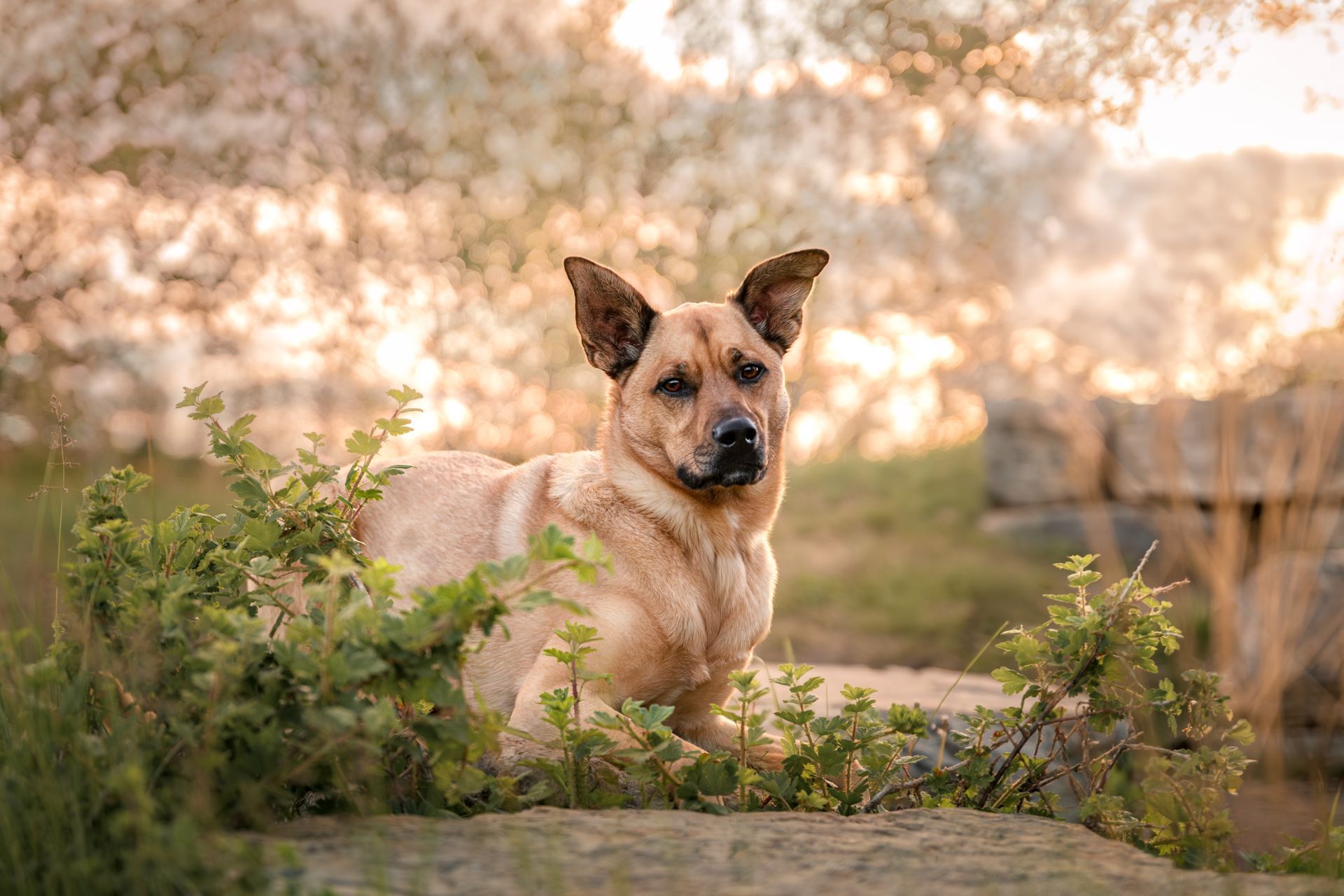
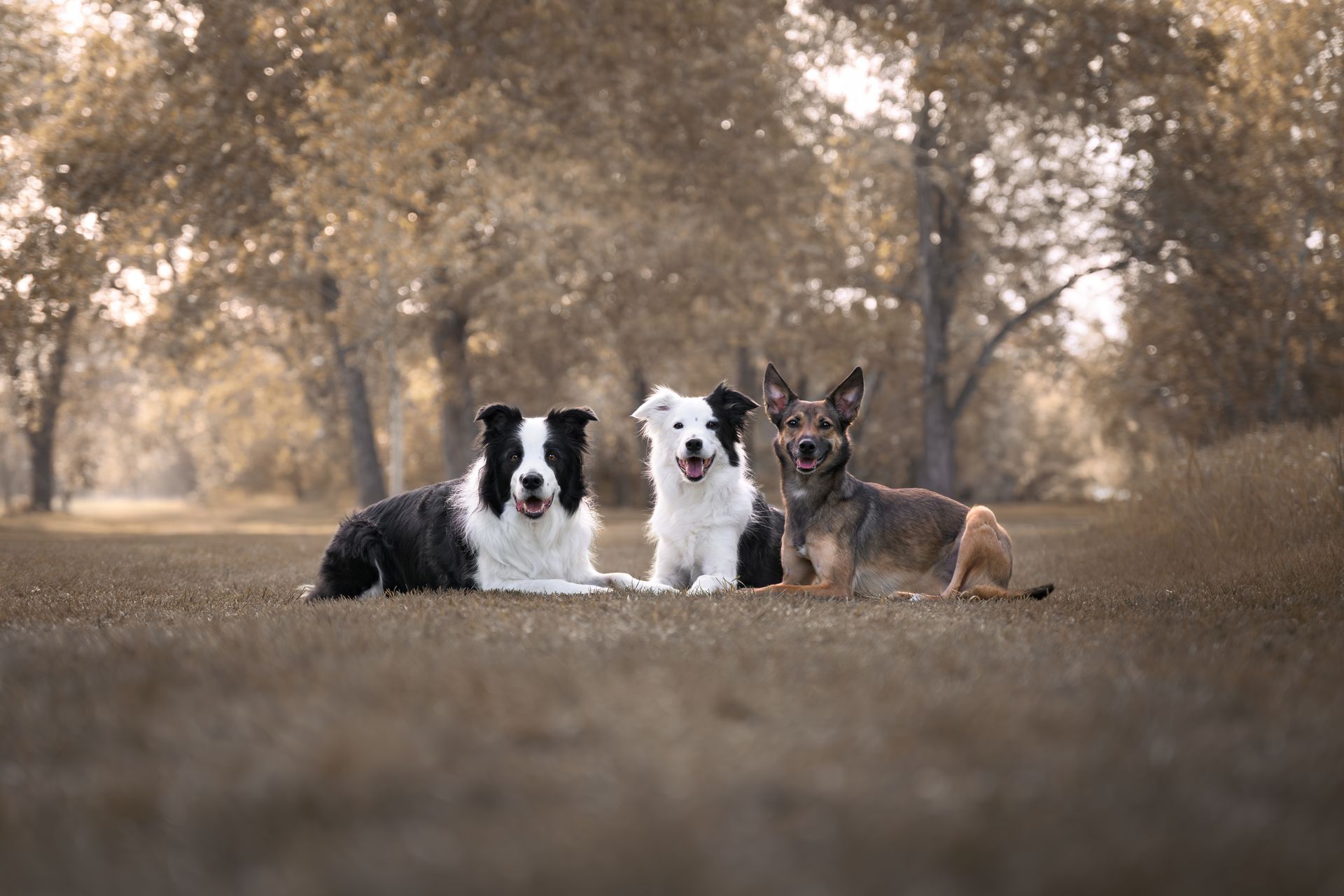
A fancy camera can't fix poor lighting or a distracting composition. Understanding light, backgrounds, perspective, and where you place your subject in the frame can completely change an image.
Sometimes the biggest improvement you can make isn't buying another piece of equipment. It's simply changing where you stand or paying more attention to what's happening around your subject. The more you photograph, the more naturally you start to notice these things.
You Have to Be Flexible
Dogs don't always care about the plan you had in your head. Maybe the location has too many distractions, maybe the dog isn't comfortable, or maybe the light has changed. That's part of photographing dogs.
Instead of trying to force the session to look exactly how you imagined it, you have to be willing to adapt. I think that's one of the most important skills you can develop as a dog photographer: learning to work with the dog rather than against them.
The Goal Isn't Just a Sharp Photograph
Of course, technical skills matter. You want your images to be properly exposed, in focus, and intentionally composed, but I don't think that's where the magic ends.
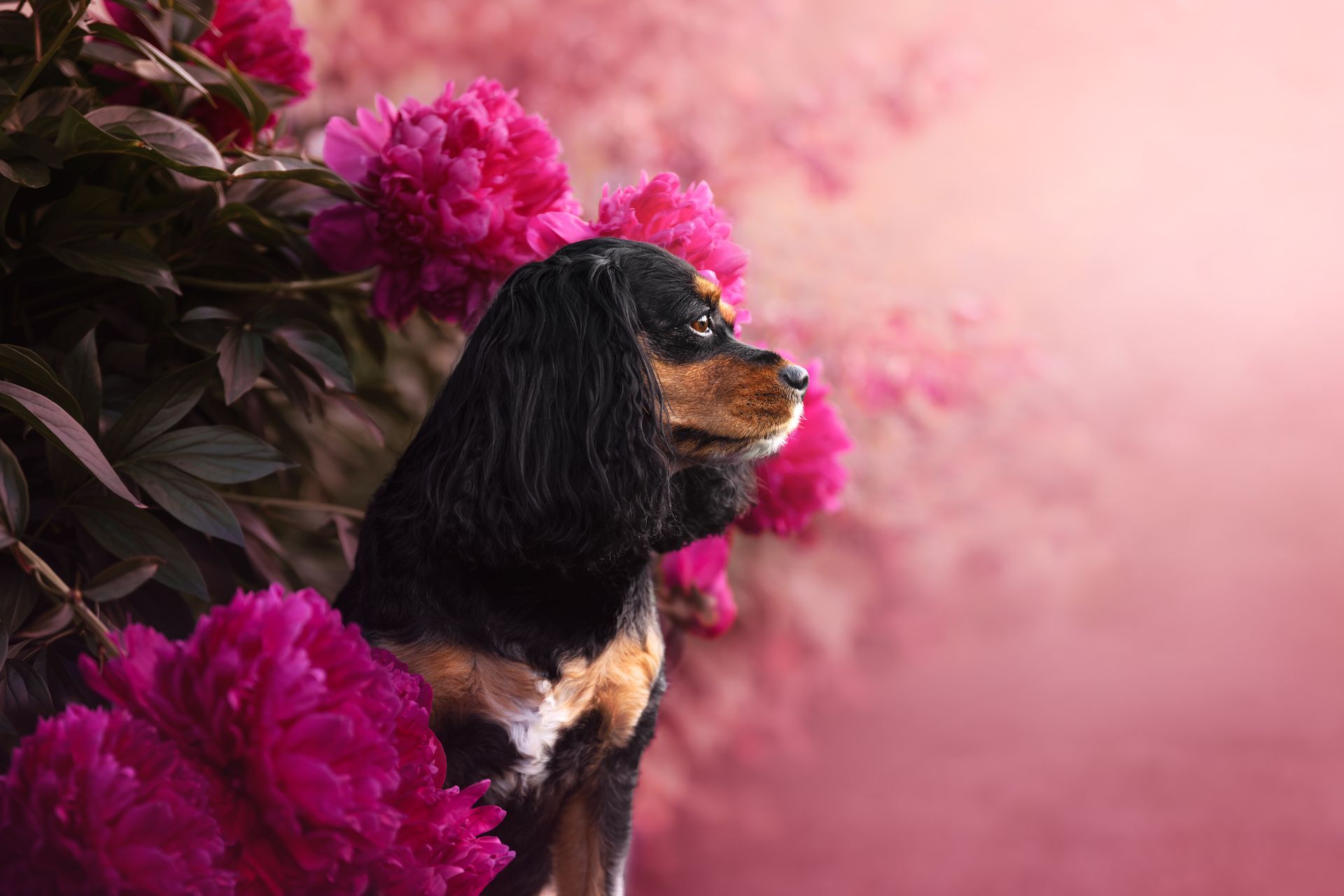
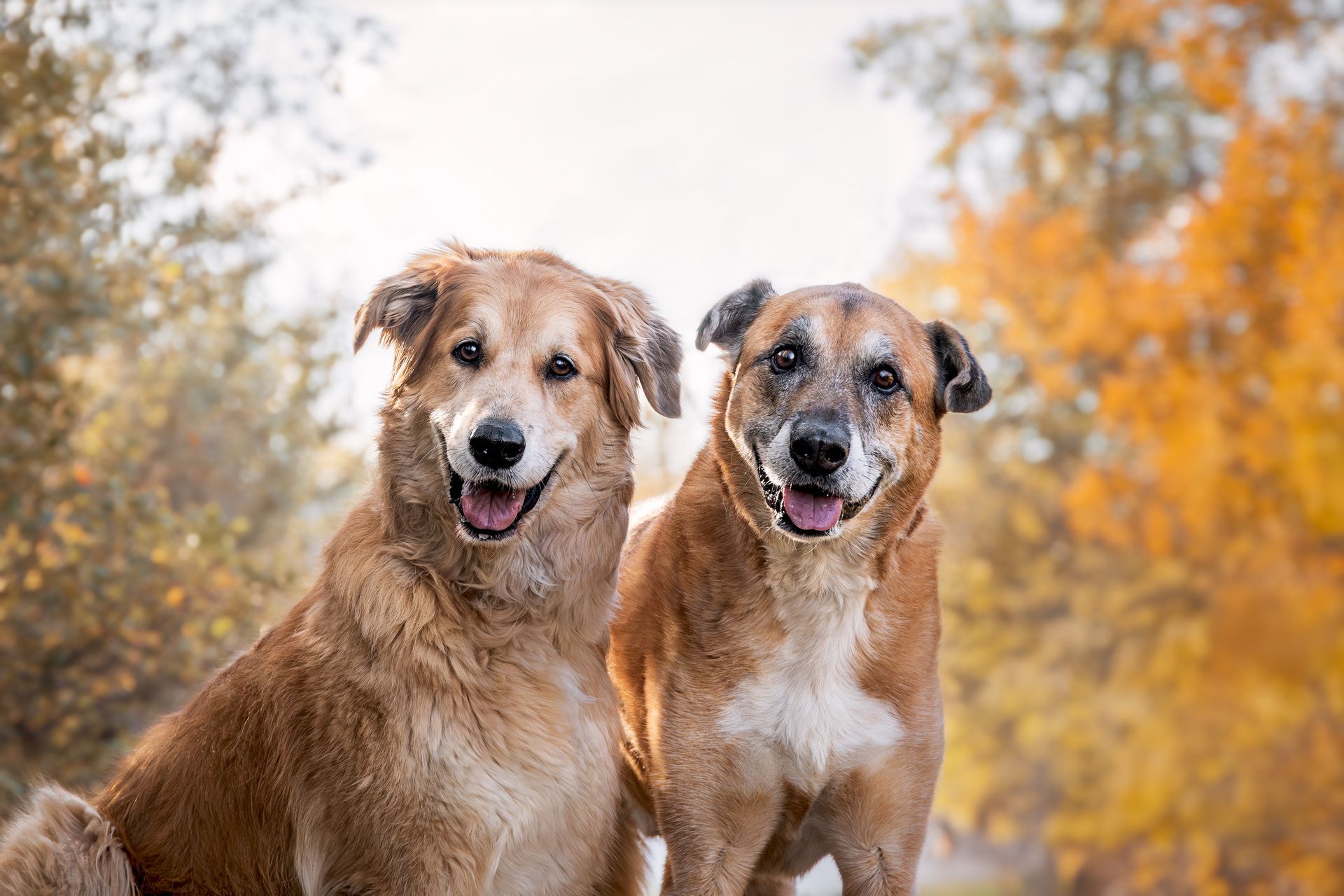
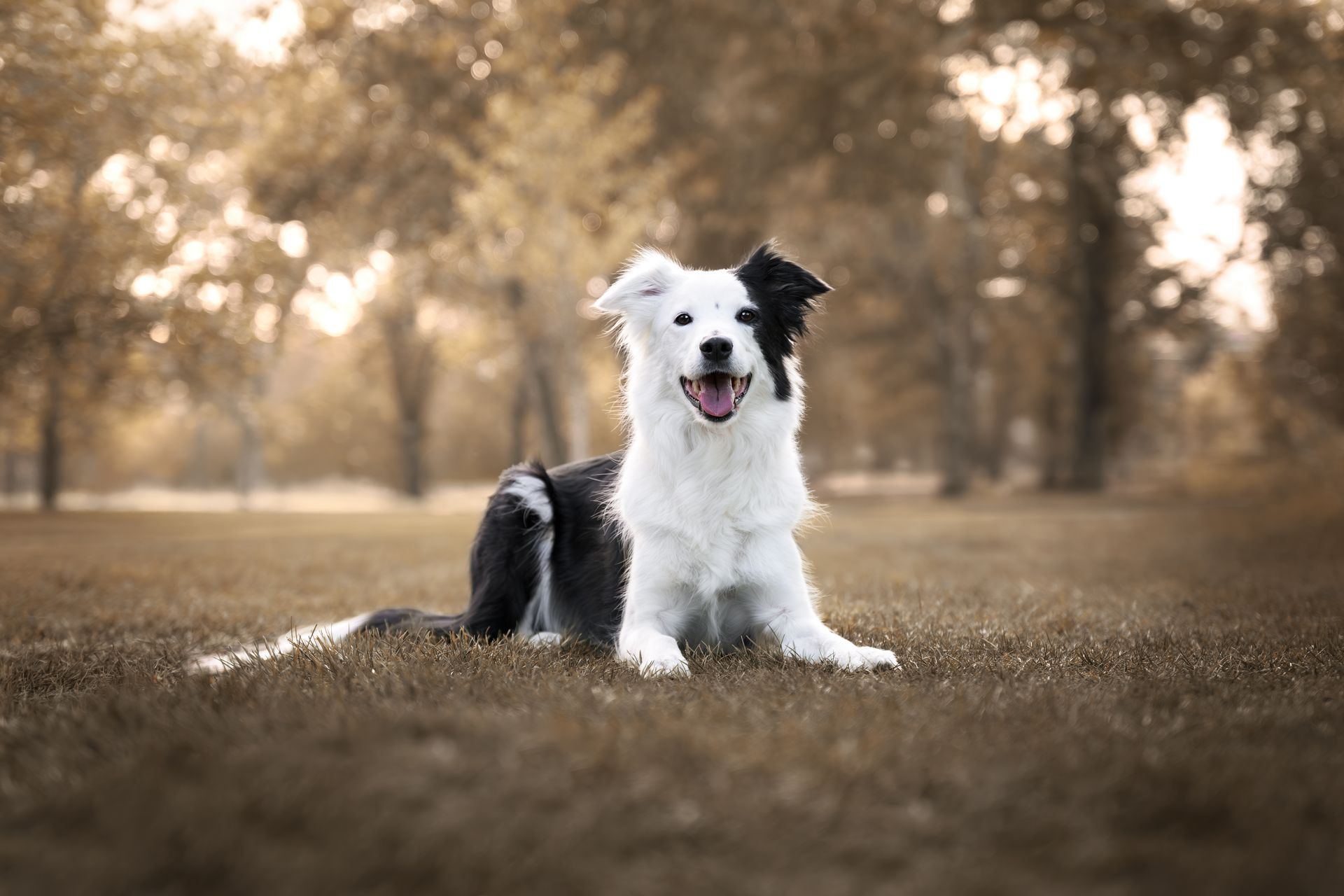
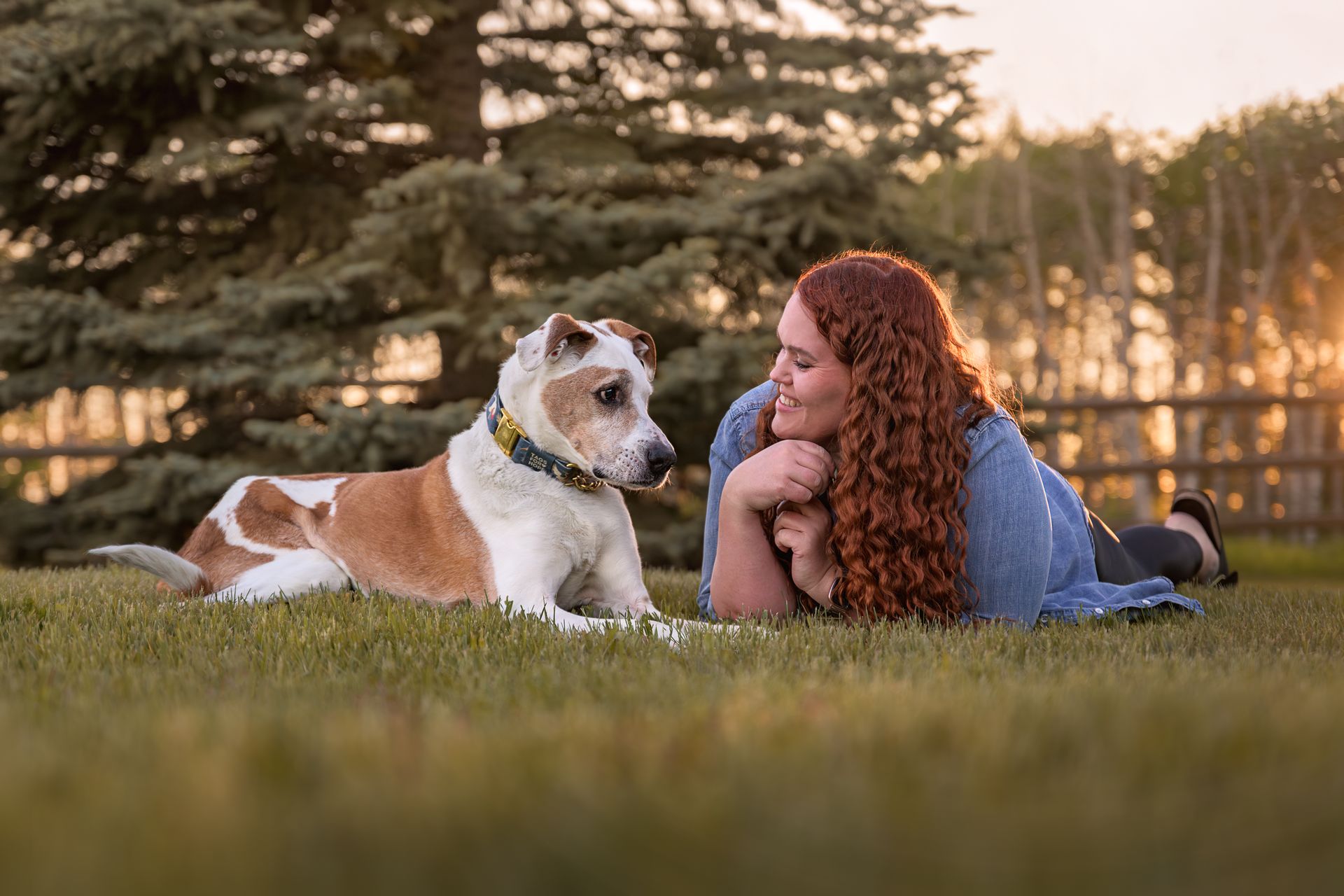
When I photograph a dog, I'm looking for more than a technically good image. I'm looking for personality, the expression that is so uniquely them, the little quirks their person knows by heart, and the moments that make their owner look at the photograph and immediately think:
“That's my dog.”
That's something a camera can't create for you.
Your Camera Is Just a Tool
Investing in better equipment can absolutely help you grow as a photographer, but your gear isn't what makes the photograph.
Your ability to observe, anticipate, understand your subject, see light, and adapt to the situation is just as important. Especially when your subject has four legs and their own ideas about how the photoshoot should go.
The camera captures the image. You create it.